
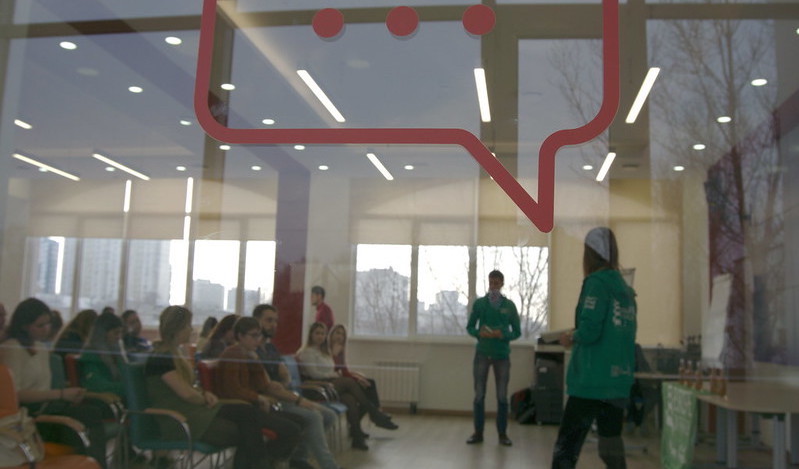
In every one of its yearly additions, Europe on Track highlights an important social topic through discourse its ambassadors create with European youth. This year, our seventh edition focused on social inclusion by tackling two sub-topics: Mental Health and Gender Equality.
How does dialogue pave the way to social inclusion?
The majority of youth across Europe are already familiar with the basics of mental health. Our online workshops – which gathered participants from member states of the European Union (EU), in addition to non-EU European countries – attested to this. Despite this preliminary knowledge, dozens of workshop participants were shocked by the scope of mental health issues across the continent and the commonality of mental disorders among European youth.
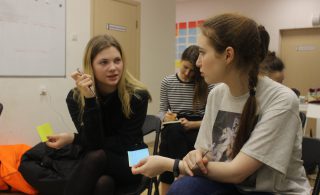
The figures denoting the large number of European individuals affected by mental health issues and the limited availability of adequate, accessible and good-quality care in their respective countries are often swept under the rug. This, coupled with the lack of early integration of ‘mental health’ in education, and the lack of public understanding ensued, creates an environment that garners social stigmatisation and the alienation of individuals diagnosed with mental health illnesses – thus leading to social exclusion.
Social exclusion is a term coined in 1974 by a philosopher in France, where AEGEE was founded nearly a decade after. René Lenoir used the term to refer to ‘social misfits’ including, those who had mental health disorders, who did not have equal access to resources due to discrimination.
A key area of EOT7‘s focus in workshops is discrimination and stigma, both social and internal, and ways to combat them. By raising awareness and eliminating stigma, we hope to swap exclusion with social inclusion – defined by the UN as the process of providing fair opportunities and access to resources, as well as ensuring the protection of dignity and rights of disadvantaged groups.
 Another obstruction to inclusion in society is stigma pertaining to gender identity and sexual orientation. Last year, a research briefing released by the European Parliament found that despite active EU laws prohibiting discriminations against lesbian, gay, bisexual, transgender and intersex (LGBTI) individuals, practices of verbal abuse and violence towards members of the LGBTI community persisted throughout the EU.
 Although sexual orientation is recognised in EU law as grounds of discrimination, these laws do not exist on a Europe-wide scale. Even in the EU, sexual orientation-related laws do not extend to social protection, healthcare, education and access to goods and services, leaving LGBTI people particularly vulnerable in these areas. This creates a need for advocacy and inclusion.